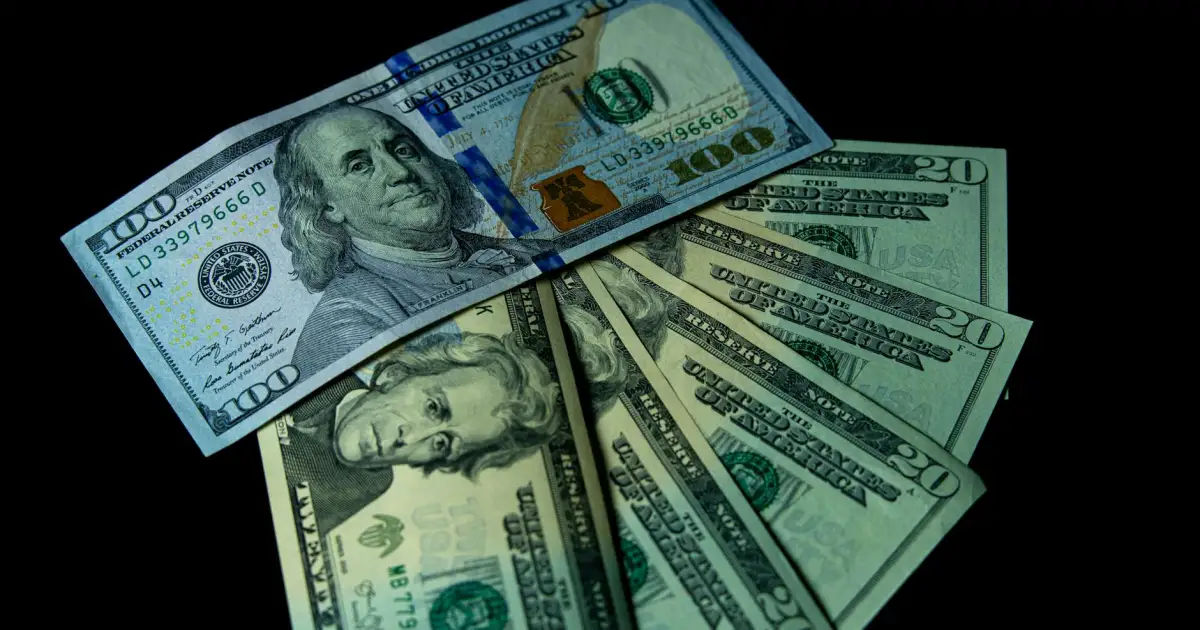
Deutsche Bank warns Iran's demand for yuan payments for Hormuz oil transit accelerates petrodollar erosion. This could push global energy trade towards a yuan-denominated future amidst deepening conflict.
🧠 Institutional Insight
🐋 Whales
Whales are hedging de-dollarization risks, increasing CNY exposure, and rotating into real assets/commodities.
🎯 Impact
Negative for USD (long-term), positive for CNY and gold. Bullish for oil prices due to geopolitical risk premium. US Treasuries face de-dollarization selling pressure; EM FX diversified.
⏳ Context
This event signifies an acceleration of the multi-polar world order and de-dollarization trend, adding inflationary pressure and geopolitical fragmentation risks.
⚖️ Market Scenarios
⚡ AI Market Deja Vu
Past Event: 1970s oil shocks and the subsequent establishment of the the petrodollar system.
Reaction: USD strengthened post-petrodollar deal, oil prices surged, stagflation gripped economies, and gold rallied as an inflation hedge.
Reaction: USD strengthened post-petrodollar deal, oil prices surged, stagflation gripped economies, and gold rallied as an inflation hedge.
🟢 Bulls Say
The Petroyuan represents a new commodity-backed reserve currency, diversifying global FX portfolios and fostering new trade corridors.
🔴 Bears Say
The US will fiercely defend dollar dominance, China's capital controls hinder CNY adoption, and geopolitical risks make alternative systems unstable.