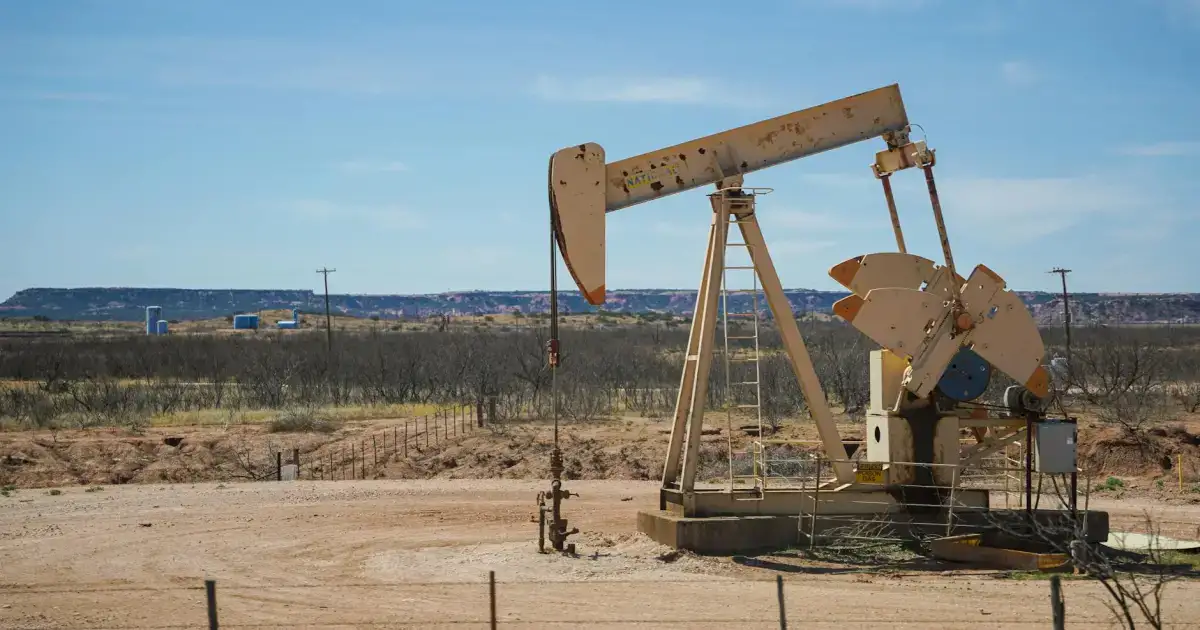
US equities fell sharply as soaring crude oil prices, fueled by Iran's threats to the Strait of Hormuz, intensified inflation concerns. This geopolitical event has significantly reduced expectations for H2 interest rate cuts, impacting market sentiment.
🧠 Institutional Insight
🐋 Whales
Whales are de-risking equities, buying oil calls, and likely increasing duration hedges on rising inflation fears.
🎯 Impact
Equities: Negative, particularly growth and rate-sensitive sectors. Fixed Income: Treasury yields rise on 'higher for longer' rates. Commodities: Crude oil (WTI, Brent) up significantly. FX: USD likely strengthens as a safe-haven and on yield differentials.
⏳ Context
This event unequivocally reinforces the 'higher for longer' rate narrative, introducing a potent stagflationary shock to a global economy already navigating persistent inflationary pressures.
⚖️ Market Scenarios
⚡ AI Market Deja Vu
Past Event: 1973-74 Oil Shock or the 1990 Persian Gulf War, where supply-side energy shocks led to stagflationary pressures and geopolitical instability.
Reaction: Equities experienced sharp declines, bond yields rose as inflation expectations unanchored, and crude oil prices saw sustained upward pressure.
Reaction: Equities experienced sharp declines, bond yields rose as inflation expectations unanchored, and crude oil prices saw sustained upward pressure.
🟢 Bulls Say
The oil surge is a transient, supply-side shock; underlying inflation trends are still disinflationary, allowing the Fed to eventually cut rates as the economy cools.
🔴 Bears Say
Persistent energy inflation will entrench 'higher for longer' rates, choke economic growth, and severely compress corporate margins, guaranteeing a deeper market correction.