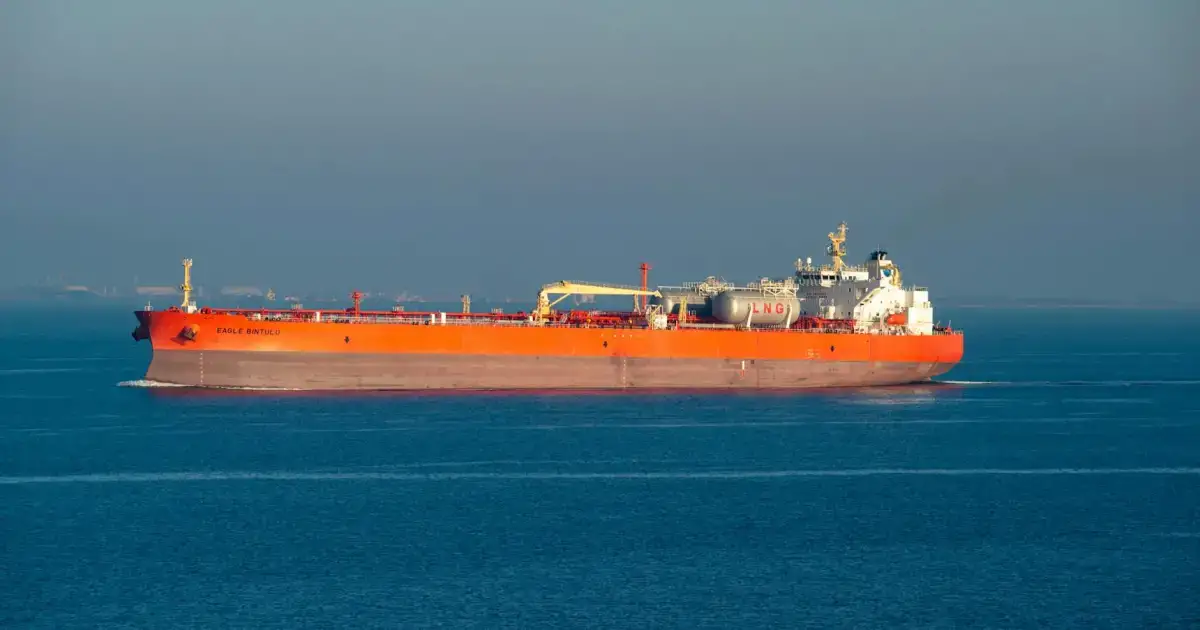
The White House will pay TotalEnergies $1 billion to cancel East Coast offshore wind projects, instead prioritizing LNG development due to global supply disruptions from the Iran war. This represents a significant pivot in US energy policy, favoring immediate fossil fuel security over green transition initiatives.
🧠 Institutional Insight
🐋 Whales
Long US LNG producers/exporters (e.g., Cheniere); Short offshore wind developers; Hedging energy policy uncertainty.
🎯 Impact
Equities: Bullish US LNG (e.g., TELL, EQT) and energy infrastructure. Bearish offshore wind developers (e.g., ORSTED) and clean energy ETFs. Commodities: Bullish US Natural Gas prices. FX: Marginal USD strength on energy independence narrative. Fixed Income: Minor geopolitical risk premium.
⏳ Context
Geopolitical energy security now explicitly supersedes green transition mandates, reinforcing a stagflationary macro backdrop where commodity scarcity drives policy decisions.
⚖️ Market Scenarios
⚡ AI Market Deja Vu
Past Event: US 'Project Independence' post-1973 Oil Embargo, prioritizing domestic energy production over other policy goals.
Reaction: Energy equities soared, inflation expectations rose, bond yields climbed, and the US dollar strengthened as a safe haven and commodity-backed currency.
Reaction: Energy equities soared, inflation expectations rose, bond yields climbed, and the US dollar strengthened as a safe haven and commodity-backed currency.
🟢 Bulls Say
US LNG exports will surge, bolstering energy security, driving US natural gas prices and related equities higher, and strengthening the dollar as a geopolitical hedge amid global instability.
🔴 Bears Say
This policy reversal signals declining commitment to renewables, creating immense uncertainty for green investments, while escalating geopolitical risk could destabilize markets broadly and exacerbate inflation.